
Ages 5–7
Logic Playtime Club
Patterns, “spot the rule” games, and gentle puzzles that build early reasoning without pressure.
View age trackOur Math & Logic track helps children think carefully and confidently. We use puzzles, patterns, strategy games, and short problem-solving routines. Instead of rushing for speed, we focus on clear steps: understand, plan, try, and reflect. Parents often notice stronger focus and better “I can figure it out” confidence.
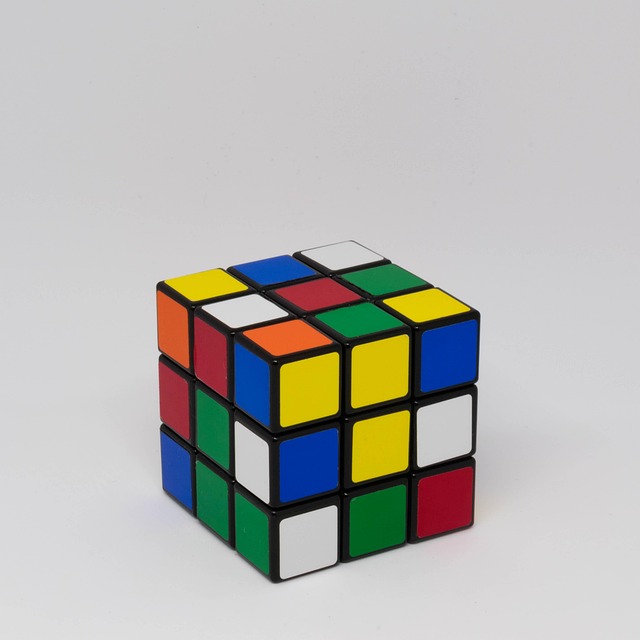
Planning, checking work, and explaining reasoning. These habits support school math and everyday problem solving.
Courses are designed to be engaging and age-appropriate. We use games and puzzles to make thinking enjoyable.
Patterns, “spot the rule” games, and gentle puzzles that build early reasoning without pressure.
View age track
Brain teasers and strategy tasks that strengthen reasoning, planning, and checking work.
View age track
Planning, patience, and decision making with short puzzles and friendly guided games.
View age track
Ages 13–16. Learn to break complex problems into steps and explain solutions clearly.
View age track
Understand the question, plan the approach, then check. This reduces anxiety and improves accuracy.
Read resources
We teach kids to talk through ideas kindly. The goal is steady growth and confidence, not competition.
Meet teachersTell us your child’s age and how they feel about math right now. We will suggest a starting point that builds confidence first.
We use essential cookies for site functions and optional analytics cookies to improve the experience. You can accept or reject optional cookies.